From January 19 to January 25, 2026, faculty and students from the Guanghua Law School of Zhejiang University embarked on a 7-day international academic exchange program in Thailand. A total of 46 students participated in this foreign legal training camp, which was led by Professors Wang Sen and Han Xiuxiu.
On January 20, a delegation of faculty and students from Zhejiang University’s Guanghua Law School visited the UNESCO Bangkok Office. Through thematic lectures and in-depth discussions, they explored how this international organization builds a network for peace and sustainable development in the Asia-Pacific region by leveraging its three pillars: education, science, and culture.
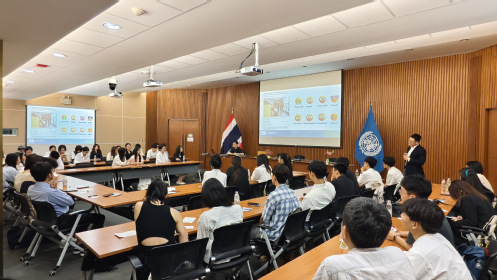
Founded in 1945, UNESCO is committed to building a bulwark of peace in the minds of people. Since 1961, its Bangkok office has served as a vital hub for the Asia-Pacific region. Through professional presentations that bridge historical contexts and current actions, the office clearly demonstrates how the UN’s ambitious Sustainable Development Goals (SDGs) can be translated into concrete regional action plans.
The visit featured an immersive interactive segment. During the Sustainable Development Goals presentation, students responded instantly using emotion cards. This seemingly simple activity ingeniously linked abstract global issues with personal emotional experiences, effectively fostering a deeper sense of responsibility among young students.
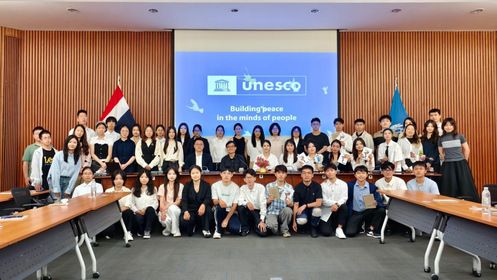
This visit transcended a mere institutional tour. It served as both a window to witness how multilateralism takes root in concrete practice and a bridge connecting individual concerns with humanity’s shared destiny. As the delegation left the building, they carried not only a profound understanding of UNESCO’s work, but also profound enlightenment about education, culture, peace, and sustainable development—along with the awareness and motivation to act as global citizens.
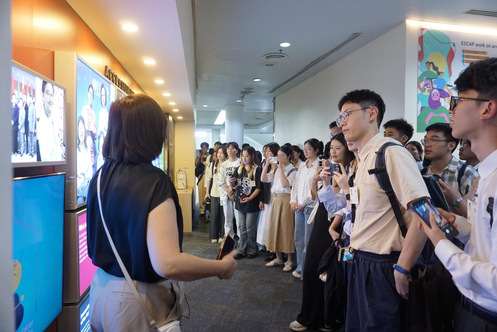
On January 21, the delegation visited the United Nations Economic and Social Commission for Asia and the Pacific (ESCAP). Guided by staff, participants learned about the UN’s founding history, the UN Charter, and the contributions of its successive Secretaries-General.
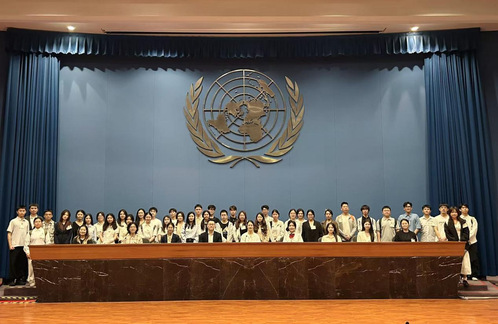
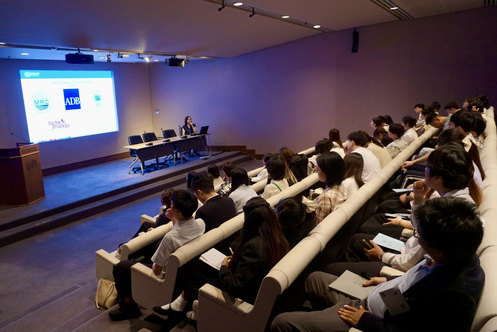
The delegation then attended a thought-provoking lecture with a layered structure. The presentation systematically reviewed the history and organizational framework of the United Nations, highlighting its global influence through the theme “Ten Ways the UN Changes the World.” The discussion then turned to ESCAP, the UN’s sole intergovernmental comprehensive economic and social development organization in the Asia-Pacific region and the largest intergovernmental multilateral body in the region. Its primary mission is to promote socioeconomic development through regional and sub-regional cooperation. The lecture not only detailed its functions and achievements but also shared practical approaches to advancing regional policy dialogue through research and analysis.
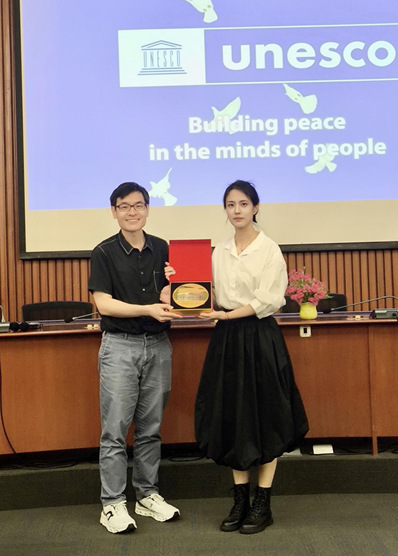
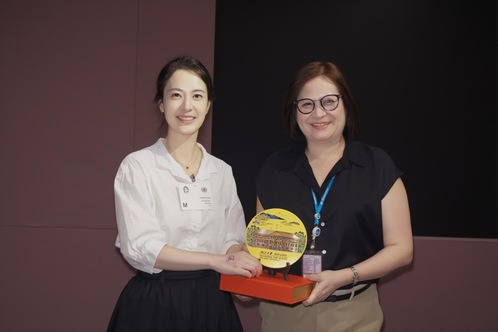
At the conclusion of the lecture, Professors Wang Sen and Han Xiuxiu presented commemorative gifts to ESCAP on behalf of the college, bringing the visit—a thought-provoking and globally connected event—to a perfect close.
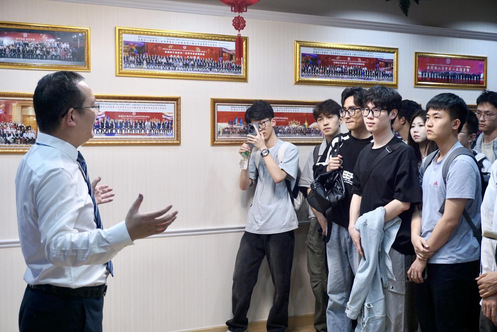
On January 22, the delegation visited Han Cheng Law Firm and the Thai Chamber of Commerce for exchange activities. Director Dong Feng, founding partner of Han Cheng Law Firm, warmly received the visiting teachers and students and introduced the firm’s development in Thailand. Director Dong Feng reviewed the firm’s growth journey, outlined its current organizational structure and team building, and shared the main business directions of the firm in serving Chinese enterprises investing and operating in Thailand based on practical experience. Both sides exchanged views on issues such as the legal environment faced by Chinese enterprises during their “going global” process, the localization of the firm’s operations, and the practice of cross-border legal services. The students actively asked questions about the firm’s development advantages, practice environment, and industry status, combining their professional studies with the insights gained from the visit. This visit and exchange deepened the teachers’ and students’ understanding of the overseas layout of Chinese law firms and the legal practices between China and Thailand, and had positive significance for broadening their perspective on international legal affairs and enhancing their practical cognition.
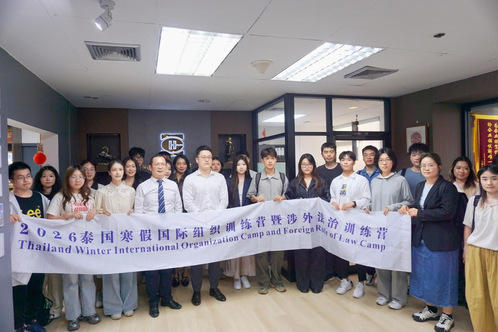
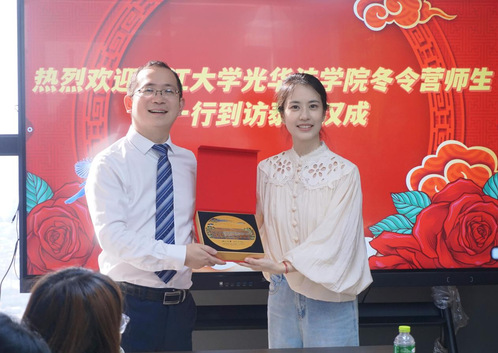
After the exchange concluded, our faculty and students, led by Director Dong Feng, visited the Zhejiang Chamber of Commerce in Thailand. Drawing on his extensive experience in Sino-Thai legal services and commercial activities, Director Dong provided a concise overview of the chamber’s operations, highlighting its role in supporting Chinese enterprises and fostering Sino-Thai economic cooperation. He also detailed the chamber’s practical initiatives in assisting businesses with global expansion and facilitating access to local resources.
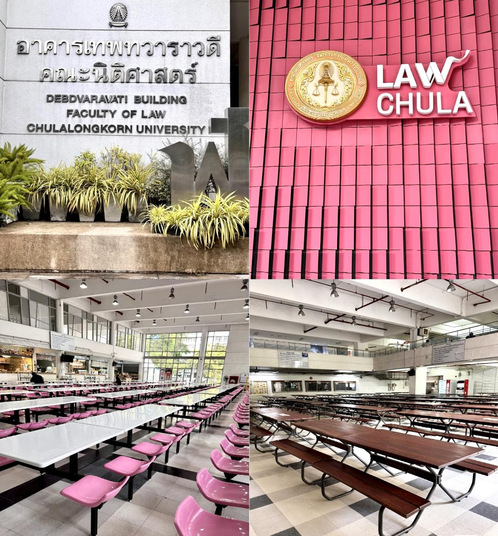
On January 23, the team visited Chulalongkorn University. As the first higher education institution in Thai history, Chulalongkorn University is renowned as the most prestigious university in Thailand. The visit focused on iconic landmarks including the Faculty of Law, the Grand Auditorium, and the Grand Lawn. The visit allowed students to immerse themselves in the unique regional culture of Southeast Asia and the rigorous academic environment of legal education.
The winter vacation exchange program at Zhejiang University’s Guanghua Law School in Thailand combined professional learning, practical experience, and cultural exchange. This initiative enabled students to step beyond campus boundaries, achieving a seamless integration of theoretical knowledge and hands-on application. Beyond enriching their expertise and broadening their international perspectives, the program deepened their cross-cultural understanding of legal systems across nations, fostering mutual respect. These experiences have laid a solid foundation for students’ future careers in international legal affairs.