Photos and text | Zhejiang University Guanghua Law School
On the afternoon of September 15, 2026, delegation from Stanford Law School visited Zhejiang University’s Zhijiang Campus and held cooperative exchange discussions with faculty and students of Guanghua Law School. The delegation was led by Professor Alice Antonia Schneider and Professor Michael David Klausner of Stanford Law School, and its members were more than ten current graduate students. The event took the forms of welcome remarks, school introduction, academic dialogue, campus visit, and cooperation discussions, and was committed to promoting in-depth dialogue between the two law schools in China and the United States and to building an academic platform for young students to broaden their international horizons and enhance cross-cultural understanding. Shi Yubing, Vice Dean of Zhejiang University Guanghua Law School and Executive Director of the Zhejiang University Institute of Ocean Law and Governance; Wang Guiguo, Dean of the Institute of International Strategy and Law and Senior Professor of Humanities and Social Sciences at Zhejiang University; and representatives from our school, including Professor Wang Guanxi and Associate Professor Zhou Chun, attended the event.
Opening Welcome: Messages for Long-Term Dialogue, Jointly Opening a New Chapter of Exchange
The seminar began in the teaching building of Guanghua Law School. Professor Wang Guiguo first delivered a welcome speech on behalf of the school, extending a warm welcome to the Stanford faculty and students who had come from afar. He said that he hoped this visit would not be the “last time” the two sides gathered, but would become the beginning of long-term dialogue; he looked forward to faculty and students of the two schools meeting again not only on the Zhejiang University campus, but also in China, the United States, and more places around the world, and growing through sustained exchange into legal professionals with an international perspective.
Professor Michael, a faculty leader of the Stanford Law School delegation, thanked our school for its arrangements and briefly introduced Stanford Law School. He mentioned that Stanford Law School offers a one-year Master of Laws (LL.M.) program, in which students from China enroll every year, and welcomed interested Zhejiang University students to apply. He recalled that Stanford Law School has long organized students to study abroad in China, Singapore, Europe, South America, and other places, and that “student-to-student exchange” has always been one of the most wonderful and rewarding parts of these programs. He hoped that the Stanford students visiting this time would get to know Zhejiang University students, interact with them, and develop deep friendships, and he looked forward to this trip to Hangzhou opening the prelude to long-term cooperation between the two schools.
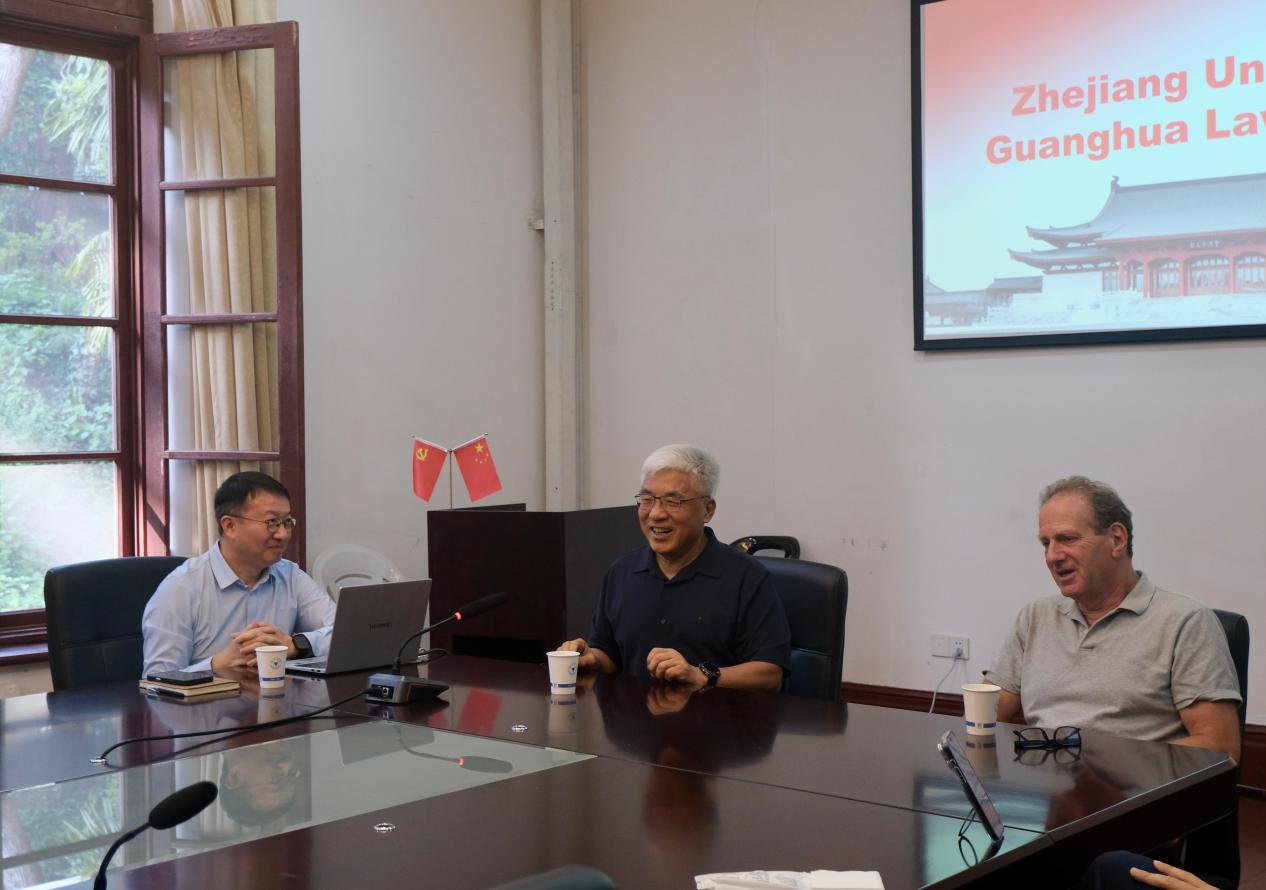
Figure 1:Professor Wang Guiguo delivered a welcome speech on behalf of the school
School Introduction: Showcasing Guanghua’s Heritage and Drawing a Blueprint for Cooperation
After the welcome ceremony, Vice Dean Shi Yubing gave a comprehensive introduction to Guanghua Law School in terms of its history, discipline development, scientific research, international cooperation, and talent cultivation.
Zhejiang University Guanghua Law School was founded in 1945 and is located on the Zhijiang Campus, one of the most beautiful campuses of Zhejiang University, which is used exclusively by the law school. In the QS World University Rankings by Subject, the school’s law discipline has remained firmly among the top 50 in the world; domestically, its law discipline was rated excellent in the discipline evaluation, and its law major was selected as a National First-Class Undergraduate Major Construction Point, with its construction level among the top in the country.
In the talent cultivation segment, Vice Dean Shi Yubing focused on introducing the school’s international student programs and dual-degree system. The school annually admits international students for its English-taught Master of Laws (LL.M.) and Doctor of Juridical Science (S.J.D.) programs in Chinese law, and provides full funding for outstanding international students through diverse channels such as Chinese Government Scholarships, corporate donated scholarships, and alumni scholarships; its graduates are widely employed in well-known law firms, international organizations, central and local government agencies, as well as universities, ministry research institutions, and research departments of large enterprises. For its own students, the school offers undergraduate “3+1” and “4+1” and master’s “1+1” and “2+1” dual-degree programs. After completing the required studies at Zhejiang University, students go to partner institutions for one year of study; those who meet the requirements may obtain degrees from both schools at the same time. Students with outstanding English proficiency may also choose a Chinese-English bilingual training model. The vice dean particularly expressed his hope that in the future the school could sign a cooperation agreement with Stanford Law School to jointly advance joint training programs such as a “4+1” integrated bachelor’s-master’s program, so that more outstanding students could benefit from them.
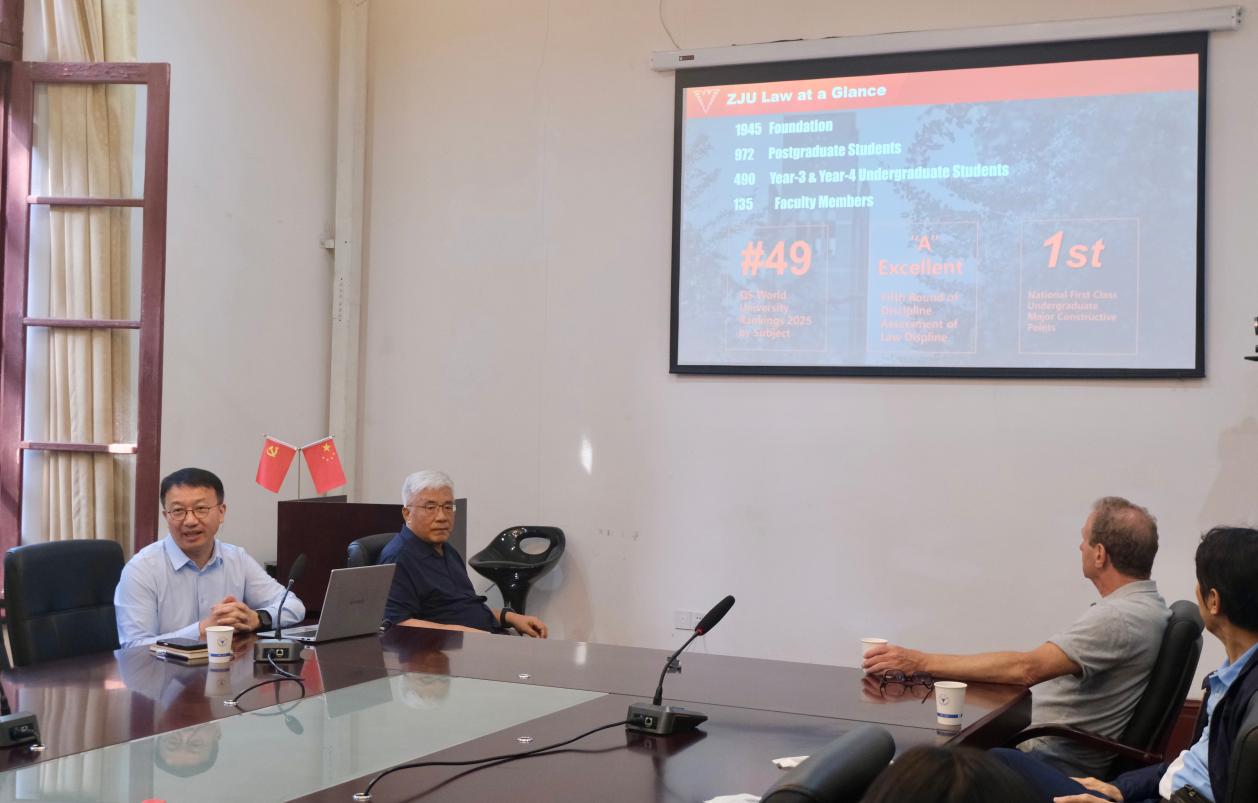
Figure 2:At the seminar, Vice Dean Shi Yubing introduced the school’s situation to the delegation
Academic Dialogue: Discussing Admissions Philosophy and Offering Hopes for Growth Through Critical Thinking
During the exchange session, a Stanford student asked: What abilities and qualities does Guanghua Law School value most in admissions, and what kind of student is more likely to succeed in law school?
Professor Wang Guiguo said frankly that, compared with how much legal knowledge applicants “have already mastered,” the law school values students’ potential more. In his view, an outstanding law student should possess excellent analytical ability, the ability to independently conduct research, and the ability to put thought into action. At the personality level, he particularly emphasized the word “diversity”—“just as brothers and sisters in a family are also different from one another,” the law school welcomes students with different perspectives and different ways of thinking. “I personally encourage students to think outside established perceptions, maintain a critical spirit, and even dare to criticize me myself,” he said. “Professors also make mistakes, and they do not necessarily make fewer of them.” He encouraged the students to remain courageous, dare to question, and imperceptibly grow into truly wise legal professionals through challenges and critical thinking.
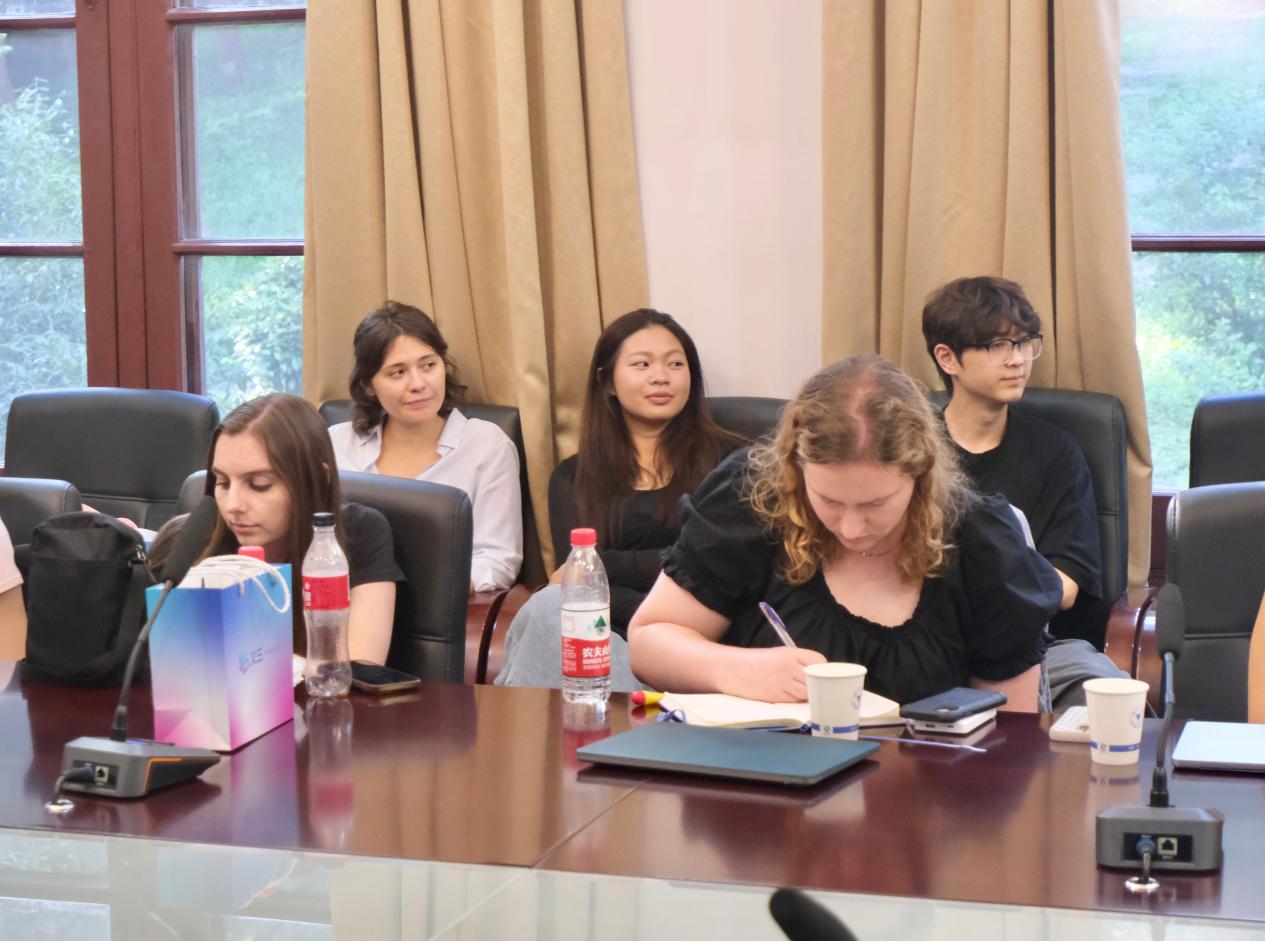
Figure 3: Faculty and students from both sides exchanged questions and answers on topics such as legal talent cultivation and legal ethics
Campus Visit: Strolling Through the Century-Old Zhijiang Campus and Appreciating the Ancient Charm of the University
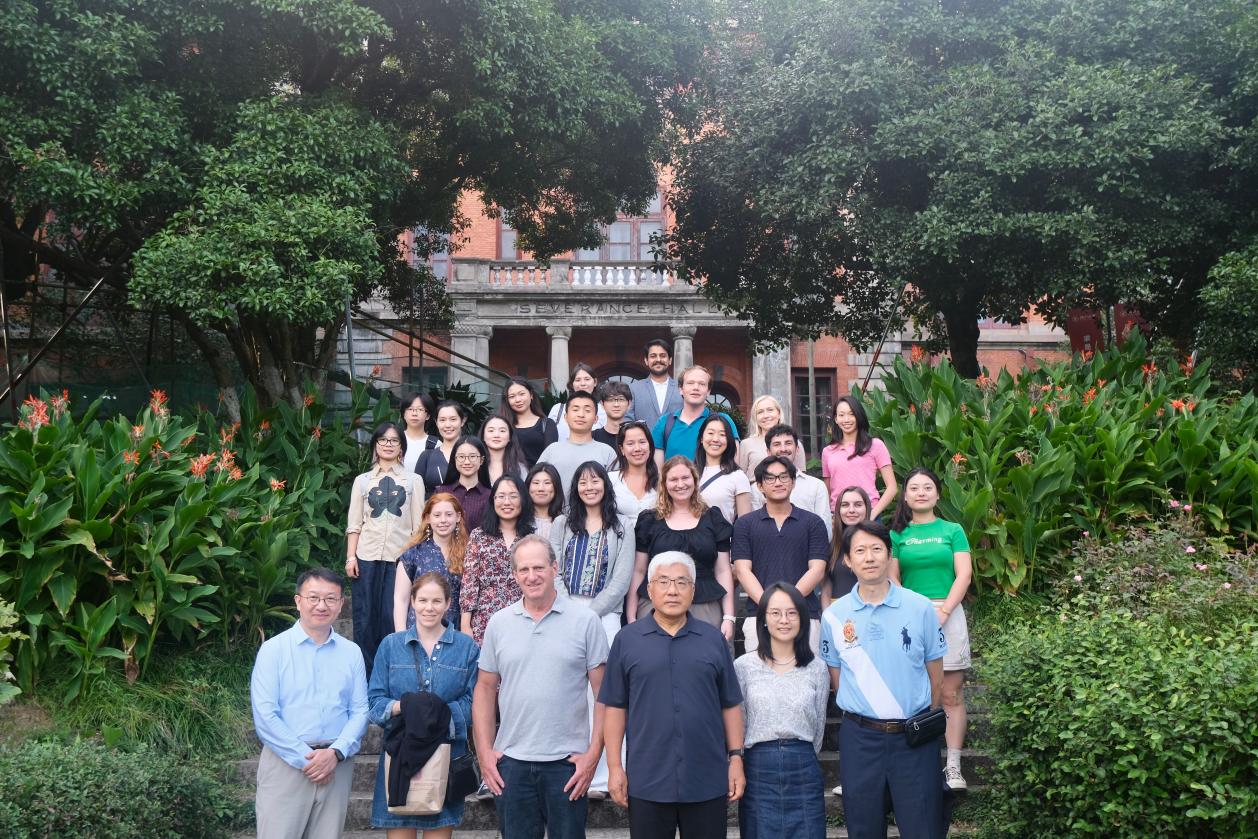
After the seminar session, the school arranged a campus tour of the Zhijiang Campus for the delegation. From the afternoon seminar classroom to the century-old campus in the twilight, although the Stanford Law School delegation’s trip to Hangzhou lasted only half a day, the collision of ideas and the gathering of youth did not end because ofparting.

Figure 4: The delegation visited the Zhijiang Campus.
The delegation demonstrated the educational philosophy of a world-class law school through rigorous and open academic dialogue, while our school’s faculty and students presented a shining calling card to young legal professionals from across the ocean with profound disciplinary heritage, sincere hospitality, and beautiful campus scenery. This seminar not only enhanced mutual understanding between Stanford Law School and Zhejiang University Guanghua Law School, but also planted the seeds of friendship and cooperation in the hearts of young students from both countries. It is expected that in the near future, faculty and students of the two schools will meet again at Qiushi Garden and on the Stanford campus, allowing the rule-of-law dialogue across the Pacific to continue to deepen.